

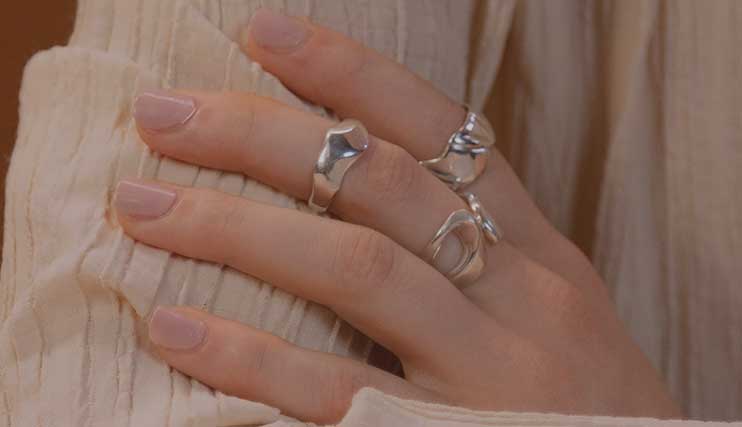
The composition of sterling silver is 92.5% pure silver and 7.5% other metal, typically copper. Adding copper (or another metal, such as cobalt, zinc, or chromium) to pure silver makes it stronger and more tarnish-resistant while yet being pliable enough to form into jewelry. Pure silver is too soft to utilize for jewelry.
Is there a hypoallergenic silver?
The term “hypoallergenic” has no universally accepted definition in science or law, but generally speaking, it refers to a product that has minimal ingredients that cause allergies. As said above, there aren’t many chemicals in sterling silver, therefore there’s less chance of an adverse reaction. Even though nickel isn’t an ingredient in sterling silver, we can’t legally declare it to be “nickel free” because there could always be nickel contamination from the machining of the individual pieces (just like everything these days has a warning on the packaging that it “may contain traces of nuts”). Nevertheless, it is categorized as ultra-low nickel. Sterling silver is a good option for most people who wish to wear jewelry devoid of nickel, however extremely sensitive skin may react to the
Will my finger become green from sterling silver?
For most people, the answer is no, but for some, it might be yes.
Wearing sterling silver can cause your finger to become green. This is due to a chemical reaction between the metal and your skin’s natural acidity. Normal skin pH is 5.5, which is somewhat acidic. However, diet, medication, and cosmetics and soaps can momentarily alter pH, so a ring that was previously fine may now have a green stain on it. Wearing a piece of silver is the only way to find out, and even then, things could alter over time. A green mark is a rare but natural occurrence; it does not indicate that the silver is of low quality.
What will happen to the silver? Why has it become black?
Silver is just like all other metals that oxidize when exposed to air, moisture, or chemicals. The normal tarnish on silver begins as a small yellowing of the surface and darkens with time if polishing is not done. With a cleaning cloth, this kind of tarnish is easily removed. When silver comes into touch with pollutants like ammonia or chlorine, it can tarnish quickly, leaving its surface instantaneously black. Silver wadding or silver cleaning fluid are typically required to remove this sort of tarnish since it is more difficult to remove.
Tips for maintaining sterling silver?
With little simple care, sterling silver will survive for many years. To maintain the gleam on your silver, use these steps:
Wearing silver is the greatest method to keep it gleaming. Your skin's natural oils will cleanse the silver and keep it from tarnish.
If tarnish does occur on the surface, it is easily removed with an Essential Sterling Silver Polishing Cloth.
Warm water and a light soap are the ideal combination for removing any surface oil or debris. To make sure the jewelry is well cleaned, polish it gently with a toothbrush that has soft bristles. It is imperative to completely rinse off any soap products using clean water to prevent any residue from remaining on the silver.
It is advisable to take off jewelry prior to entering chlorinated pools or Jacuzzis.
It is advisable to take off your jewelry before taking a shower. Soaps with strong scents have the potential to discolor silver.
Prior to donning jewelry, make sure your skin has absorbed all body lotions and perfumes.
While sleeping in your silver is quite OK, we advise taking off any fragile pieces before bed. Because silver is a delicate metal, smaller pieces could break with a little tossing and turning.
It is advised that you take off your jewelry before working out. Sweat contains salt, which can corrode silver’s surface and occasionally create a black stain on your skin.


